
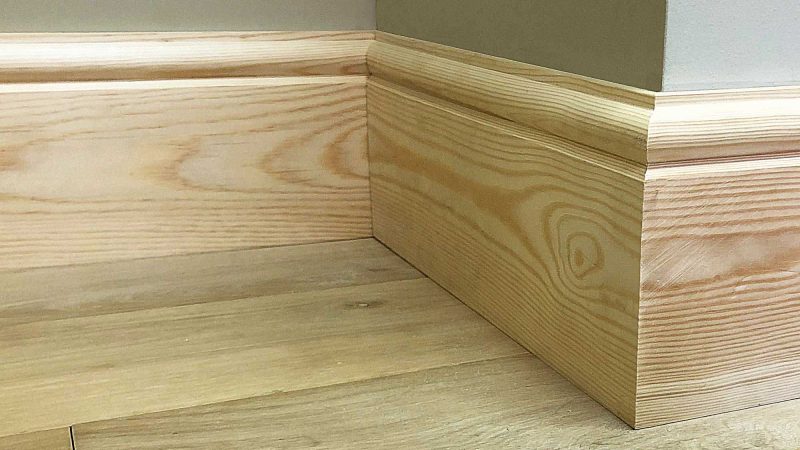
When it comes to interior design, skirting boards provide a decorative touch and can help keep your walls clean. But with so many options available, how do you choose the best skirting board material for your needs? From wood to MDF to vinyl, this guide will help you decide which is the best option for your home.
Choosing the right skirting board for your home or office isn’t just about aesthetics but also practicality. The best skirting board material should be durable and easy to clean, as well as compliment the room’s existing décor. Here are some points to consider when choosing the best skirting board material for your needs:
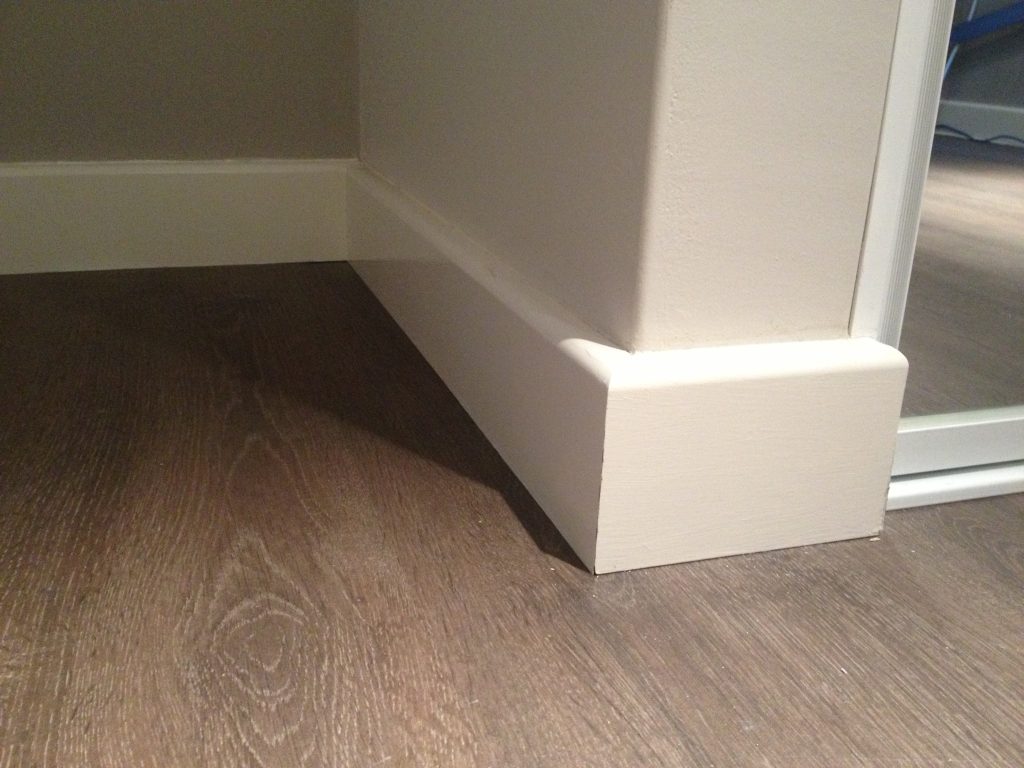
Cost
The cost of different skirting boards will vary depending on the materials used. Wood is one of the more expensive options but if you’re looking for something cheaper, then vinyl or MDF could be a better choice. It’s important to factor in installation costs too – some suppliers may include these in their prices while others may not.
Durability
Durability is key when it comes to choosing a skirting board material. Vinyl and MDF can both be very resilient and stand up to regular wear-and-tear better than wood. However, they’re not as good at resisting moisture so they may not be suitable if there are damp issues in your property. Wood can be prone to warping over time but it’s often easier to repair than other materials so this should also be considered when making your decision.
Appearance
One of the most important considerations when selecting a skirting board material is its appearance – after all, it’ll form an integral part of your interior design scheme! There are lots of different styles available including traditional designs such as oak or pine, contemporary finishes like white gloss or chrome, and even painted designs that match your walls perfectly. Ultimately, you want something that complements and enhances rather than detracts from the overall look of the room.
Installation Requirements
Skirting boards come in different shapes and sizes meaning that installation requirements can vary significantly between products – some may require specialist tools while others might just need basic DIY skills! If you’re considering installing yourself then make sure that you check whether any additional tools will need purchasing beforehand (or enlisting someone who’s experienced in fitting them).
Maintenance & Cleaning
Lastly, think about how easy each type of skirting board will be maintain and keep clean once installed– wood is likely going to require sanding down every few years whereas vinyl or MDF might only need wiping down occasionally with a damp cloth. This could save you money further down the line if cleaning costs become more frequent!
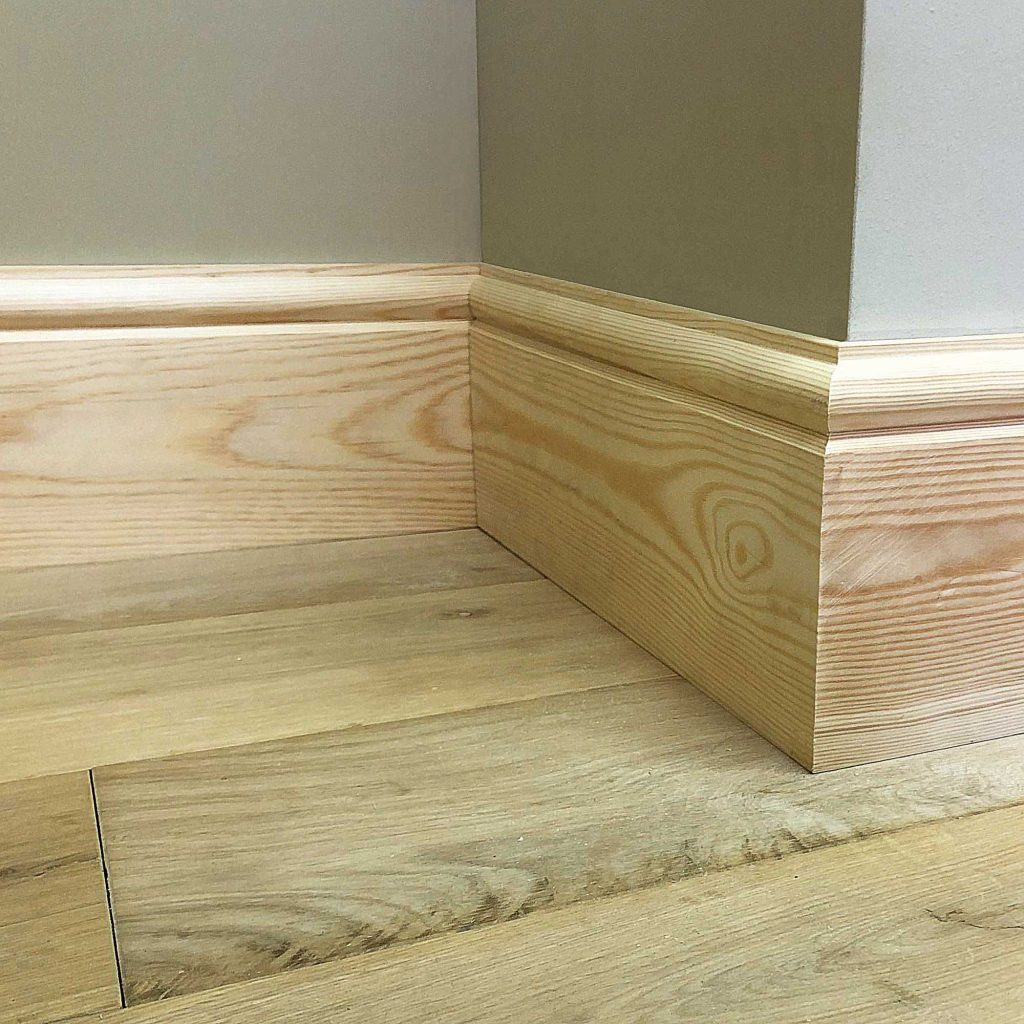
At the end of day, deciding which type of skirting board material is right for your home largely depends on personal preference as well as budget restrictions – but by taking all these factors into account before making a purchase, you can ensure that whatever solution you choose meets both aesthetic and practical needs perfectly!

Training your dog can be difficult, and using bark collars has become increasingly popular as an effective way to manage your pup’s barking. From shock collars to citronella collars, many choices are available when finding the perfect collar for your pup. This article will provide an overview of what types of bark collars exist, their pros and cons, and some tips on using them effectively to ensure better obedience from your canine companion. If you want to learn more about bark collars, you can visit our website and check out our page dedicated to this topic.
What Are Bark Collars?
Bark collars detect a dog’s vocalizations and respond with a stimulus to discourage or stop their barking behavior. These stimuli come in several forms, including ultrasonic sound waves, vibrations, electric shocks (“e-collars”), citronella sprays, audible tones and more. While these methods may vary greatly in intensity and duration, they all serve the same purpose – to train dogs not to bark excessively.
Types of Bark Collars
Several different types of bark collars are available today, designed specifically for different purposes. Here is a brief overview of each type:
• Shock Collar
Shock collars deliver a mild electric current directly to a dog’s neck using metal contact points when activated by vocalization or other behaviors like jumping up or digging. These devices have adjustable levels so owners can customize the amount of stimulation depending on their pet’s needs.

• Ultrasonic Collar
As its name implies, this type of collar emits high-pitched sound waves that are thought to startle or annoy dogs enough to make them stop barking. They generally work at distances up to 35 feet away from the animal wearing it but may only be effective with certain breeds due to differences in the hearing range between animals.
• Citronella Spray Collar
A citronella spray collar works similarly as ultrasonic collars, except instead of emitting sound waves it sprays a mist containing citronella oil into the air around the dog’s head whenever it barks too much. This scent deters further excessive barking since most dogs find such odors unpleasant.
Pros & Cons Of Using Bark Collars
While bark collars can be an effective tool in curbing unwanted barking habits, they come with advantages and disadvantages, which should be considered before purchasing one for your pup. Some pros include:
• Quick Results
One major benefit of using a bark collar is that results tend to happen quickly after introducing it into your pet’s routine; within just days, you may notice decreased levels of excessive barking from your pup!
• Convenience
Another great perk is that these devices are incredibly easy-to-use requiring no complicated setup procedures or extra time spent teaching commands – strap it onto your pup’s neck and let them get used to it over time!
On the flip side, however some drawbacks could include:
• Risk Of Overstimulation
Since most models allow users to adjust settings manually, there is always a potential danger if left unchecked; too much stimulation could lead to physical discomfort or even trauma, especially if used improperly/without caution!
• Expense
Most modern-day bark control products come with hefty price tags making them inaccessible for those on limited budgets who would still like help controlling their pups’ barking habits more humanely than punishment-based methods (i.e., scolding).

Tips For Safe And Effective Use Of Bark Control Devices
To ensure safe implementation and maximum effectiveness, here are some tips you should consider when choosing/using any type of bark control device:
• Be sure you understand how each device works before putting one on your pet as some require certain motions/behaviors from them before activating (like shaking their heads).
• Choose adjustable settings if possible to customize stimulation levels based on individual temperament/needs without risking overstimulation; this will also ensure better accuracy when targeting specific problem behaviors rather than blanket coverage!
• Test out different models until finding one that fits best, as results vary depending upon breed/size etc.; never buy something blindly without researching first!
• Remember the consistency key – once chosen, stick to consistent rules regarding usage; otherwise won’t achieve the desired outcome(s)!
In conclusion, although several options are available when considering bark control products, remember that safety must always be the first consideration when choosing a product for use with pets. Take the time to research the different features, benefits and risks associated with each model and then decide whether it is right for your particular situation. With proper understanding and knowledge of these tools, owners can ensure proper training techniques create a happier, healthier home environment for both puppies and humans alike!

The flooring of your house and office premises plays a pivotal role in appearance and functionality. There are different materials from hardwood, tiles, and others used as bases to decorate the flooring. The floors of houses affect the daily life of people because people feel good in a clean and friendly environment. Hard flooring lets people stand comfortably when talking or performing any activity. Read more about the considerations before purchasing modern flooring ideas interior of your house.
Specific style
The flooring of your house depends on the particular style, like patterns or colors. The texture of the floor determines the simplicity or luxuriousness of the house. Hardwood helps the carpet to stay intact on the floor and prevents slipping. The tiles floor promotes glossy nature and decoration of the house. When people choose the house’s appearance, the furniture and other objects also look nice.

Match with personality
The kitchen countertop and other house spaces match fully or partially with the house owner’s personality. They decorate the house according to personal choices and recommendations. There can be a change in the tiles all over the house, considering the presence of members—Floorings change when you have children and pets inside your house. Cemented floors are effective in these cases because they are durable and rugged to hold weight. Choose your floorings after determining the activity programs and members living inside.
Affordability
Modern flooring ideas interior come with expensive budgets for quality materials. The construction, labor, and installation costs are included in the production process. It also includes labor costs for eliminating previous floorings. Keep an eye for exterior materials like adhesives and boards. Choose the flooring as per your estimated budget to enjoy the material.
Activities
Flooring quality depends on the activities performed on it. Gym and exercise floors are different because people keep heavy dumbbells on the floor. There is enormous vibration and noise on these floors. However, the bedroom remains almost quiet like the living room. Bathroom floors are exposed to constant running water every day. All these factors are essential to choosing the right type of flooring for your house. Kitchen countertops handle high heat and cutting materials.
Variety
Different types of floorings are available depending on style, texture, pattern, durability, colors, and many more. People choose the best one among thousands of options available. However, longevity materials are mostly stuck to wood and vinyl for the floorings.
Spend limited
You cannot give away the total savings for the flooring of your house. It might be super expensive or affordable based on the materials used. However, always choose the economical one that suits your personality and needs.

Final thoughts
Briefly, the floor is the area that takes up maximum space in the house. It is the base material for every texture, pattern, and other keeping other objects on top. People invest a maximum amount in these surfaces to keep them intact in their original form. Therefore, consider all the above alternatives before selecting your floor.

Natural pest treatment is gradually gaining appeal as a long-term pest management strategy. These choices are simple to implement with common sense and a little patience. Homeowners can use secure, alternative control solutions if they hire the correct pest control company. While each individual’s use case will differ, environmentally aware and ecologically responsible solutions are quickly becoming the standard. Moreover, pest management firms can often advise homeowners on how to keep pests at bay naturally by strategically using plants to deter sneaky bugs. Furthermore, there are many methods for attracting specialized predators and insects.

It is feasible to achieve pest control through “biological control” using these methods. Pest treatment is becoming increasingly vital in South Florida, as pest numbers appear to be expanding year after year. Pests of all kinds are a problem for both homeowners and company owners in this area. Four Florida communities were named among the top 50 termite cities in the United States this year, according to surveys. There are many different techniques to pest management in Miami, FL, as well as many different forms of pest treatment. Some of these treatments may include the use of highly poisonous chemicals or other severe techniques. Chemical treatment is not the only method available. For more info, you can check out NJ Pest Control.
Chemicals and insecticides have been shown to lose their potency over time. This is just a result of nature and the transmission of useful properties: if chemicals do not kill out specific insects in a population, only those with pesticide resistance qualities are passed on. The general populace may become immune to that chemical throughout time. Pests are less susceptible to developing resilience to organic treatments because they are naturally based but instead of artificially developed. Organic insecticides are usually more effective than chemical sprays for a longer period of time. You’ve undoubtedly done the chemical pesticide routine before: apply once, once more thirty days, thirty days after that, and so on. Long – term application can harm your landscape or garden in the long run, making it difficult for any vegetation to grow, not just weeds. To keep pests at bay, most organic insecticides blend biological controls with better, green chemicals. The compounds are made from natural elements, and they require knowledge of the pests’ and insecticides’ scientific makeup. Companies must be well-versed in pests and the chemical substances that can be used to repel them.

Many gardeners value their health as well. There is growing worry about how we are exposed to pesticides used in agriculture and farming, and becoming organic can help you avoid potentially dangerous exposure. Organic agriculture also allows you to have a more holistic experience with your gardening. There are a plethora of fantastic items available to assist even the most inexperienced gardeners in growing a lush and thriving vegetable patch. However, the disadvantage of these items is that you often miss out on the potential to form a profound relationship with the land and soil. Organic gardening and the use of natural pesticides necessitate a thorough awareness of your soil, your garden’s insects, and the functions of each plant.
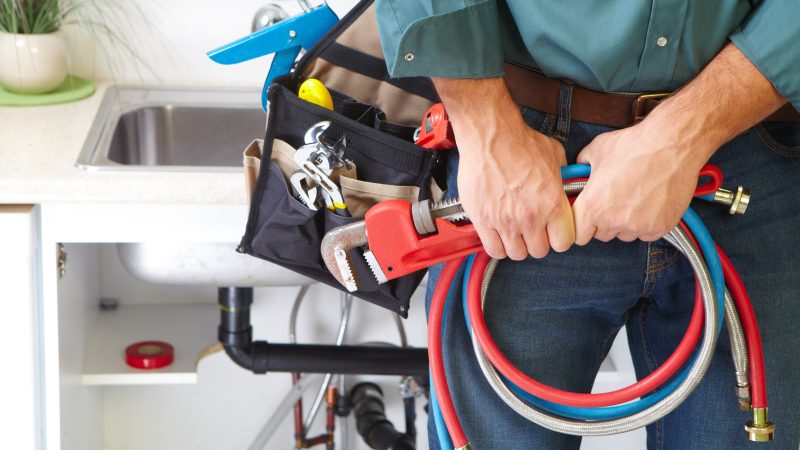
In the competitive world of plumbing, staying ahead of the curve is essential. With advancements in technology and techniques, professionals need to equip themselves with the right tools to deliver quality service efficiently. One such indispensable tool is leading pipe bending pliers for precision bending. Let’s delve into the essential tools every plumber should have in their arsenal to avoid getting soaked by the competition.
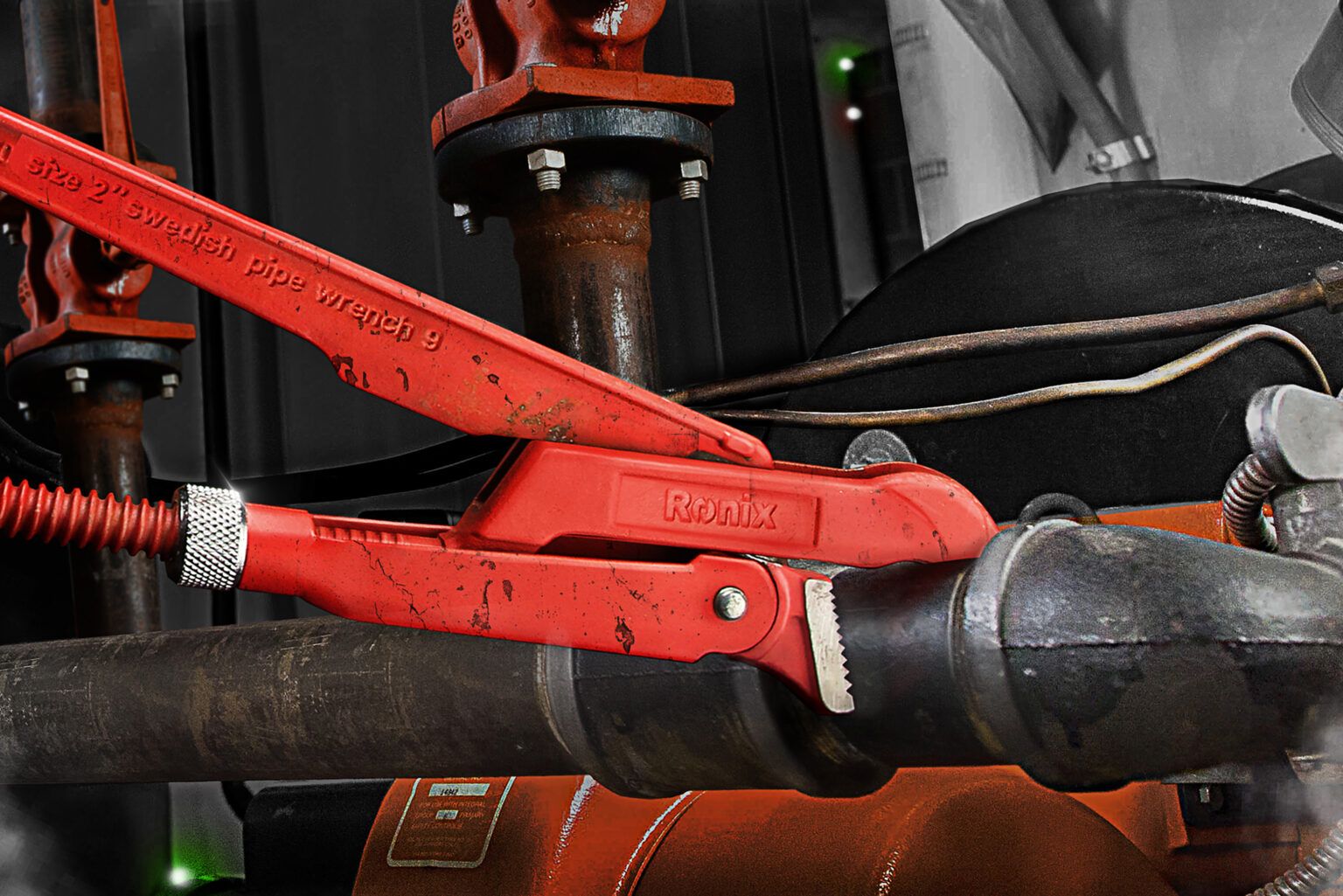
High-Quality Pipe Wrenches: A sturdy and reliable pipe wrench is a plumber’s best friend. Whether it’s tightening fittings or loosening stubborn pipes, investing in high-quality wrenches can make all the difference. Look for durable materials and ergonomic designs to ensure comfort and efficiency during long hours of use.
Pipe Cutters: Precision is paramount in plumbing, and having a reliable pipe cutter can save both time and frustration. Choose cutters with sharp blades and adjustable mechanisms to accommodate various pipe sizes. With clean and accurate cuts, you’ll minimize the need for additional fittings and ensure leak-free installations.
Leak Detection Equipment: Identifying leaks quickly and accurately is crucial for preventing water damage and minimizing repair costs. Leak detection equipment, such as electronic leak detectors and dye testing kits, can pinpoint leaks in pipes, joints, and fixtures with precision. Investing in such tools enhances your efficiency and boosts your reputation as a reliable plumber.
Drain Snakes and Augers: Clogged drains are a common plumbing issue that requires swift resolution. Drain snakes and augers are indispensable tools for clearing obstructions efficiently. Opt for models with durable cables and powerful motors to tackle tough blockages effectively. Additionally, having a variety of attachments ensures versatility in handling different types of drains.
Plunger and Force Cup: While often overlooked, a plunger is a fundamental tool in any plumber’s toolkit. Whether it’s clearing minor clogs or testing drain flow, a plunger can come in handy in various situations. For tougher blockages, a force cup provides additional suction power to dislodge debris and restore proper drainage.
Pipe Threading Kit: A pipe threading kit is essential for creating threaded connections for projects involving new installations or repairs. Look for kits that include a variety of dies and sizes to accommodate different pipe materials and diameters. With precise threading capabilities, you can ensure secure and leak-free joints for your plumbing projects.
Torch and Soldering Equipment: Soldering is a crucial skill in plumbing, especially for joining copper pipes. A quality torch and soldering equipment are indispensable for creating strong and durable connections. Invest in a reliable torch with adjustable flame control for precise soldering, along with flux and solder wire for seamless bonding.
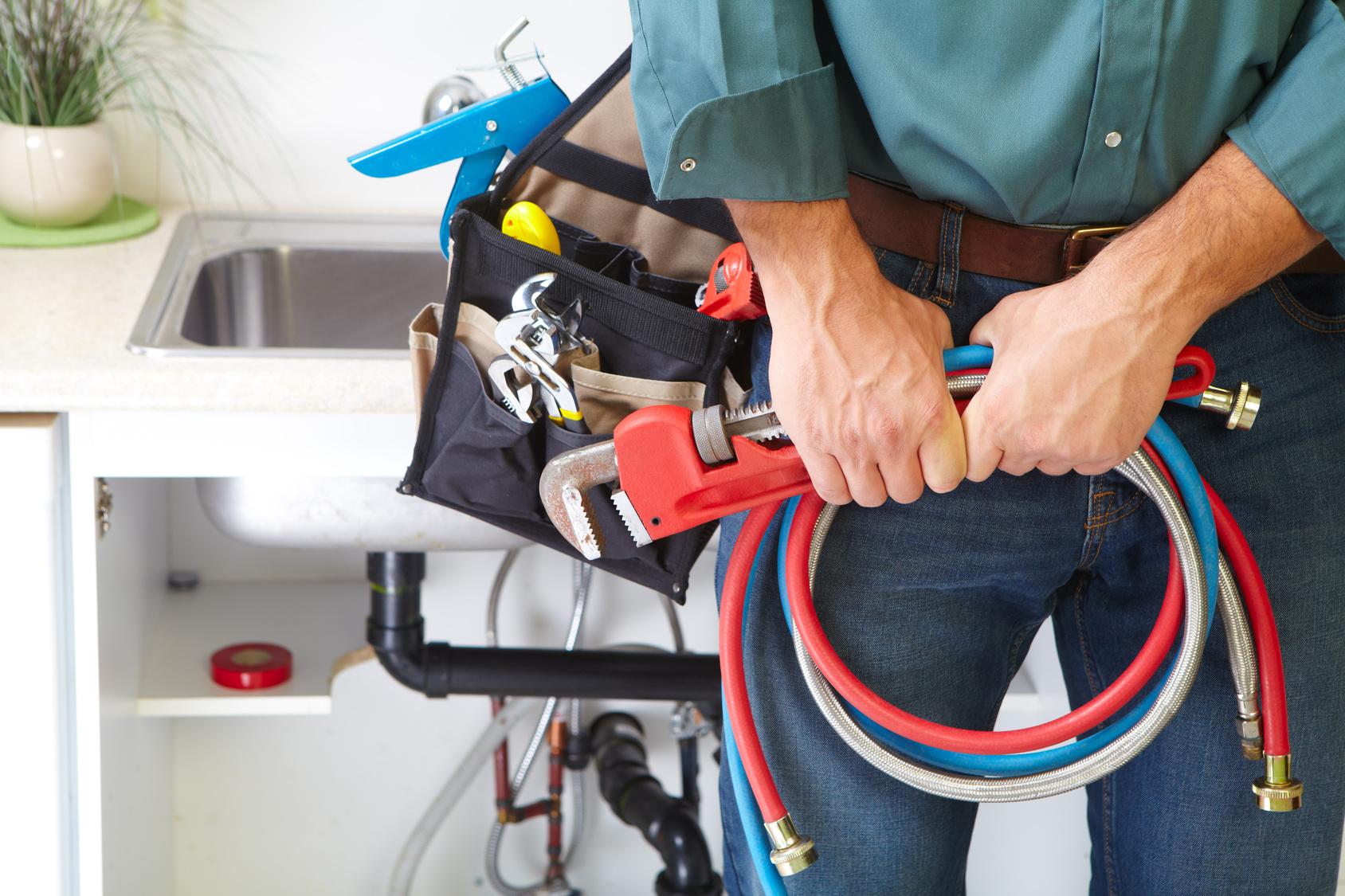
With the right tools at your disposal, you can navigate the challenges of the plumbing industry with confidence and efficiency. Whether it’s repairing leaks, clearing clogs, or installing new fixtures, having leading pipe bending pliers and other essential equipment ensures you stay ahead of the competition while delivering exceptional service to your clients.
Windows are often seen as mere openings to the outside world, allowing light and air to enter our living spaces. However, the impact of windows goes far beyond their basic functionality. Many homeowners need to pay more attention to the benefits of upgrading their windows, and this oversight can lead to missed opportunities for improved comfort, energy efficiency, and overall well-being. In this article, we will explore the hidden advantages of upgrading your windows, shedding light on the transformative benefits of this often-overlooked home improvement.
1. Enhanced Energy Efficiency
One of the primary hidden advantages of upgrading your windows lies in energy efficiency. Modern windows are designed with advanced materials and technologies that provide better insulation, reducing heat transfer between the interior and exterior of your home. This upgrade results in a more comfortable living environment and can lead to significant savings on your energy bills.
2. Increased Home Value
Investing in window upgrades can also enhance the overall value of your home. Potential buyers are increasingly prioritizing energy-efficient features, and updated windows can make your property more appealing in the real estate market. It’s a wise investment that pays off in immediate comfort and contributes to your home’s long-term value.
3. Improved Security
Upgrading your windows can be a crucial step towards improving the security of your home. Modern windows often come equipped with advanced locking mechanisms and durable materials that provide enhanced protection against potential break-ins. Strengthening your home’s security not only brings peace of mind but also adds an extra layer of safety for you and your family.
4. Noise Reduction
In urban environments or areas with high traffic, noise pollution can be a significant concern. Upgraded windows, especially those with double or triple glazing, act as effective sound barriers. By reducing external noise, you create a quieter and more serene living space, fostering a better atmosphere for relaxation and concentration.
5. Optimal Natural Light
Strategic window upgrades can maximize the amount of natural light entering your home. This not only contributes to a brighter and more inviting atmosphere but also has positive effects on your mood and well-being. Harnessing natural light reduces the need for artificial lighting during the day, leading to energy savings and a more sustainable lifestyle.
6. UV Protection for Furnishings
Over time, exposure to sunlight can cause fading and damage to furniture, flooring, and other interior furnishings. Upgraded windows often come with coatings that block harmful UV rays, helping preserve your belongings’ vibrant colors and integrity. This hidden benefit ensures that your investments in home decor last longer and maintain their aesthetic appeal.
7. Easy Maintenance and Cleaning
Older windows can be a hassle to maintain, with issues like rotting, peeling, or difficult-to-operate mechanisms. Upgrading to modern windows often means opting for low-maintenance materials and designs. This not only saves you time and effort but also ensures that your windows remain in top condition for an extended period.
8. Eco-Friendly Choices
Choosing environmentally friendly window options contributes to sustainability efforts. Energy-efficient windows reduce your carbon footprint by decreasing your reliance on artificial heating and cooling systems. Additionally, many modern window materials are recyclable, making your home improvement project a responsible choice for the planet.
In conclusion, the benefits of upgrading your windows extend far beyond aesthetics. From energy efficiency to enhanced security and well-being, these hidden advantages make window installation a worthwhile investment for any homeowner. Consider the specific needs of your home and explore the possibilities of window upgrades to unlock the full potential of your living space.
Window installation in Gothenburg has become a popular choice among homeowners seeking to harness these hidden advantages. The combination of modern technology and expert installation ensures that residents in Gothenburg can enjoy all the benefits of upgraded windows.

Moving to a new home can be an exciting chapter in life, but packing up and transporting your belongings can quickly become overwhelming. One of the most challenging aspects of moving is dealing with large and bulky furniture. However, with the help of professional furniture moving services, the daunting task of relocating your cherished pieces can be simplified and stress-free.
The Importance of Top Furniture Disassembly
Before diving into the benefits of furniture moving services, it’s crucial to highlight the significance of top furniture disassembly. This key aspect involves dismantling larger pieces of furniture, making them easier to transport and maneuver through tight spaces. Top furniture disassembly not only aids in the logistics of the move but also ensures the safety of your valuable items during transit.

1. Efficient Packing and Handling
Professional furniture moving services specialize in efficiently packing and handling your belongings, especially when it comes to disassembling and reassembling furniture. Skilled movers have the expertise and tools needed to dismantle various types of furniture, ensuring that each piece is securely packed for transportation. This proficiency minimizes the risk of damage during the move.
2. Space Optimization in Transportation
Large, fully assembled furniture can take up a significant amount of space in a moving truck. Top furniture disassembly allows for better space optimization, enabling movers to pack items more efficiently. This not only reduces the number of trips required but also helps cut down on transportation costs, making the entire moving process more economical.
3. Maneuverability in Tight Spaces
Narrow hallways, staircases, and doorways can pose significant challenges during a move. Professional furniture movers, equipped with the necessary tools and skills, can easily navigate these tight spaces after employing top furniture disassembly. This ensures a smooth and streamlined process, eliminating the stress of trying to fit oversized furniture through constrained areas.

4. Customized Services for Fragile Items
Certain pieces of furniture may be more delicate or have intricate designs that require special attention during a move. Furniture moving services often offer customized solutions for disassembling, packing, and transporting such items. This tailored approach ensures that each piece is treated with the utmost care and arrives at your new home in pristine condition.
5. Time and Energy Savings
Undertaking the task of disassembling and moving furniture on your own can be time-consuming and physically demanding. By hiring professional movers, you can save both time and energy, allowing you to focus on other aspects of the move. The convenience offered by furniture moving services can turn a potentially stressful experience into a more enjoyable and efficient one.
In conclusion, opting for furniture moving services, with a focus on top furniture disassembly, can significantly simplify the moving process. From efficient packing and handling to space optimization and maneuverability in tight spaces, these services offer a range of benefits that make your move smoother and more manageable.

Hiring an experienced υδραυλικος is the key to successfully managing plumbing issues in older and historic buildings. These structures are often much different than new construction, so it can be challenging to correctly diagnose and resolve any plumbing problems. Properly addressing these issues requires a unique set of skills that only a qualified plumber possesses. Here are some tips on how to handle plumbing issues in old and historic buildings.
1) Assess the Situation:

When dealing with a plumbing issue in an older or historic building, it’s important to assess the situation before taking any action. In many cases, there may be a combination of both modern systems and outdated components that need attention. A professional plumber should be able to look at the existing setup and determine which parts need repair or replacement.
2) Obtain Permits & Approvals:
Depending on the severity of the problem, you may need to obtain permits or approvals from local government agencies before starting any work. For example, if you plan on replacing pipes or fixtures in an older building, you may need approval from your city’s historical preservation board first. Having all necessary paperwork ready ahead of time will make sure that everything goes smoothly during repairs.
3) Research Local Regulations:
It’s also important to research local regulations when dealing with plumbing issues in old and historic buildings. Every state has its own laws regarding what type of work can be done on such structures, so it’s best to know beforehand what is allowed and what isn’t. This will help ensure that all repairs conform with local codes and ordinances so that no legal disputes arise later on down the road.
4) Work With Experienced Professionals:
When hiring a plumber for repairs in an old or historic building, always opt for someone with experience working with this type of structure specifically. An inexperienced technician might need to gain the necessary knowledge to correctly diagnose and resolve problems without causing further damage. Working with experienced professionals will save you money by providing accurate diagnoses upfront instead of having them guess at potential solutions until they get it right – costing more labor costs along the way each time they guess wrong!
5) Utilize Specialized Tools & Equipment:
In some cases, specialized tools and equipment may be needed for certain types of repairs within older properties – especially those near coastal areas where severe weather conditions can wreak havoc on piping systems over time! Professional plumbers will typically carry these items around with them when working on projects like these, so inquire about their availability before scheduling any services if needed – this could save you both time AND money down the line!

6) Maintain Proper Records:
Once repairs have been completed, keep detailed records of all changes made and parts replaced for future reference – this is particularly important if such a property is ever sold in the future, as buyers tend to want proof/documentation that all maintenance has been carried out properly beforehand; thus ensuring their investment is a safe one!
7) Consider re-piping options:
Depending on the age/condition of the existing plumbing system in your property (and your budget), re-piping the entire building may also become a necessary option over time – something that’s definitely worth considering, especially if there are multiple leaks/problems throughout the home that occur often enough to warrant such a drastic measure being taken initially anyway (to avoid repeated costly repairs).
8) Take preventative measures:
To minimise potential disruption due to frequent malfunctions/repairs that occur regularly in old/historic buildings, preventive measures such as regular inspections should always be considered as preventative steps towards maintaining both your (and tenants/guests) peace of mind on a long-term basis!
By following these simple steps when dealing with plumbing issues in old and historic buildings, you’ll be able to resolve any problems quickly while also ensuring safety compliance along the way as well – ultimately giving yourself added assurance knowing the job was done correctly every single step of the process from start to finish!

3D printing or additive manufacturing has been around for many decades now, ever since its inception in the 1980s. In recent years, however, 3d printing houses have become increasingly popular due to their low cost and environmental sustainability. Through a combination of innovative technologies and materials, 3D printed homes are revolutionizing the way we build our living spaces. Let’s take a look at how it all began and what the future holds for this revolutionary technology.

History of 3D Printing Houses
The concept of 3d printing houses first came into existence as early as the 1980s with companies like Z Corporation developing some of the earliest prototypes. But it wasn’t until 2015 that the technology really started to gain traction with several organizations experimenting with different materials and designs to create functional dwellings. One such project was Apis Cor’s 2016 demonstration in Russia which produced an entire house in just 24 hours using a mobile printer. This set off a global trend as more companies explored the potential of 3d printed construction.
Technology Behind 3D Printing Houses
At its core, 3d printing houses rely on computer-aided design (CAD) software which is used to model the structure before it is sent to a large-scale printer for fabrication. Depending on the material being used, these printers can produce walls up to 12 inches thick, which is then cured using special ultraviolet lights or chemical hardeners depending on the type of plastic being used. Once completed, these walls are then assembled manually before any finishing touches can be applied, like insulation or fixtures.
Benefits of Using 3D Printers for Construction
Building using traditional methods can be expensive and time-consuming, but thanks to advances in technology such as robotics and artificial intelligence (AI), building homes using 3D printers offers cost savings and faster construction times compared to traditional methods. Not only that but because they require less human labor, there is also less risk of injury during construction, making them a safer option for workers involved in home-building projects. Furthermore, by using recycled materials such as plastic waste from other industries, these structures are also more environmentally friendly than those built using traditional methods!
Challenges facing the industry
Despite the potential benefits, there are still several challenges facing this burgeoning industry, including safety concerns regarding structural integrity and fire resistance due to the different thermal properties of the materials used in the construction process. In addition, scaling up production remains an issue, largely due to the high costs associated with automation, which makes mass production economically inefficient in the current timeframe. However, while these barriers exist, research continues to find solutions that could eventually make this technology more viable for wider applications in residential markets worldwide.

What does the future hold?
Although still relatively new, 3D printed homes show great promise, particularly in terms of providing affordable housing solutions in areas where traditional methods may not be feasible. As development continues, we should expect to see higher quality products made from improved materials, along with faster build times at lower cost points, while taking greater account of environmental sustainability through increased recycling opportunities. Ultimately, the goal would be to create simple, efficient homes quickly without compromising on quality – something that seems achievable given the current advances in the field.

Having a clean and organized living space is essential for maintaining your physical and mental health. Unfortunately, it can be difficult to keep up with the necessary cleaning tasks due to busy work or school schedules. That’s why many people are turning to professional apartment cleaning services in Chicago, IL. These services offer the convenience of having someone else take on this often tedious task for you. Here are five reasons why you should invest in a professional apartment cleaning service:
1) Professional Cleaners Know What They’re Doing
The most important reason why you should hire a professional cleaner is that they have extensive experience and training working with different surfaces, materials, and products. Most companies use environmentally friendly cleaning supplies and techniques that will give your home an even deeper clean than what regular household cleaners provide. This knowledge also allows them to effectively remove stubborn dirt and stains that other cleaners may have left behind.

2) Saves Time & Energy
Hiring a professional cleaner frees up time so that you can focus on more important aspects of your life such as work or leisure activities rather than scrubbing floors or scouring bathrooms all day. Professionals know how to quickly tackle common issues like mildew buildup or pet hair removal without taking up too much of your valuable time. Plus, if something needs extra attention, they’ll be able to spot it right away and make sure it gets taken care of before leaving the premises.
3) Enjoy A Healthier Home Environment
When it comes to keeping your home safe from germs and allergens, it doesn’t get any better than hiring a professional cleaner who knows all about germ-killing solutions and proper hygiene practices – something which not all homeowners understand clearly themselves. Not only will they help prevent illnesses from spreading through deep cleans but they will also be able to identify potential signs of mold growth or infestations quickly so that these problems don’t become bigger issues down the road.

4) Keeps Your Home Looking Its Best
Nobody likes coming home after a long day at work to find their home looking cluttered or messy because they haven’t had enough time to tidy up during the weekdays. With a professional apartment cleaning service, however, you won’t need to worry about coming home from work only to find your place covered in dust bunnies or piles of laundry strewn across the floor! Professionals guarantee thoroughness when it comes to tackling each room in your house helping you maintain an orderly lifestyle with little effort required on your part!
5) Affordable Prices & Flexible Scheduling Options
Professional cleaners typically charge affordable prices for their services making them accessible for those on tight budgets as well as those seeking luxury experiences when hiring out help around the house! Moreover, most companies offer flexible scheduling options allowing clients access to same-day services depending on availability while some may even offer customized packages tailored specifically to their individual needs! This makes finding experienced professionals easy no matter what budget constraints one might face! So don’t wait. Invest in yourself today by hiring out the right team for the job – You deserve it!

Arlington Heights Moving Company is making long-distance moves easier than ever with its extensive array of services. From packing and unpacking to storage, they are here to make your move hassle-free. Whether you’re moving across town or across the country, you can trust them to take the stress out of your move.
What Does Long Distance Moving Entail?
Long-distance moving usually involves transporting household items from one state to another. This requires extra planning and coordination as compared to a local move. It’s important to properly plan how you’ll pack and transport your belongings so that nothing gets lost or damaged during transit.
How Can an Arlington Heights Moving Company Help?
An Arlington Heights moving company can help ease the burden of long-distance moves by providing comprehensive services tailored to meet each customer’s individual needs. They provide reliable transportation for all types of goods, including fragile items like antiques and electronics. They also offer complete packing and unpacking services, ensuring that your belongings arrive safely at their destination. In addition, they offer convenient storage solutions for those who need a place to store their items in between moves.

Packing Services That Take Care Of Everything
Arlington Heights moving companies understand that packing up everything in your home can be time-consuming and stressful. To make things easier, they offer full-service packing that takes all the guesswork out of getting ready for a move. Their experienced team will carefully wrap and pack all of your belongings in sturdy boxes, so they stay safe during transit. They also provide labeling services so you know exactly where everything is going when it arrives at its new home.
Unpacking Services Make Settling Into Your New Home Easier Than Ever
After a long day on the road, unloading all your belongings into your new home may seem overwhelming, but with an Arlington Heights moving company on hand, it doesn’t have to be! Their friendly staff will do all the hard work for you – from dismantling furniture if necessary, carrying heavy boxes upstairs, or using lifts – even setting up beds or televisions if required! And once everything is inside, they will organize each room according to your instructions, making it feel like home in no time!
Storage solutions for all your needs
Whether you need short-term storage while you wait for the closing date, or long-term storage until you settle into a new home permanently, an Arlington Heights moving company has what you need! Offering secure, climate-controlled units as well as outdoor parking for RVs or cars, there are plenty of options available depending on what works best for you!
Peace of mind with comprehensive insurance cover
When choosing an Arlington Heights moving company, it’s important to make sure they offer comprehensive insurance coverage for any unexpected damage that may occur during transit – after all, peace of mind should always come first! You want to make sure that whatever happens along the way – your items can be replaced if anything should ever go wrong!

Trusted professionals who know how to get the job done right
Finding an experienced team who knows how to get the job done right is key when looking for a reliable long-distance mover! At Arlington Heights Moving Company – their professional movers strive every day to provide customers with high-quality service backed by over 10 years of experience in residential & commercial relocation services – giving customers confidence knowing their stuff is being handled with the utmost care every step of the way!
BOTTOM LINE
Long-distance moves can be both exciting and daunting, but with an experienced team like Arlington Heights Moving Company at hand – there’s no need to worry about any aspect of your relocation process ever again! From door-to-door packing and delivery services to practical storage solutions, these professionals have everything covered so you don’t have to!

Apartment living can be overwhelming at times, especially when it comes to finding the time and energy to clean. This is why investing in a professional apartment cleaning service, such as Apartment Cleaning Service Chicago, can benefit busy or overwhelmed renters. Here are some of the main benefits of hiring a professional cleaner for your apartment:

1. Save Time and Stress
One of the main reasons to invest in an apartment cleaning service is to save yourself from having to do all the work yourself. By hiring a qualified cleaner, you’ll save yourself time and stress that would otherwise be spent on scrubbing floors, wiping down countertops, and tackling dust bunnies. With a professional service like Apartment Cleaning Service Chicago, every nook and cranny of your place will be sparkling clean every week!
2. Improved Health & Hygiene
Another benefit of using an apartment cleaning service is that it will help improve your overall health and hygiene levels. Dust mites, pet dander, mold spores, bacteria – unseen pollutants lurking around our home that can cause illnesses if not properly removed with regular deep cleans. A quality cleaning company like Apartment Cleaning Service Chicago uses industry-grade equipment and disinfectants to eliminate any airborne allergens while ensuring that surfaces remain free from germs and dirt particles.
3. Professional Results
hen you hire a professional cleaning company like Apartment Cleaning Service Chicago, you know that you’ll get results that meet industry standards every time they visit. The team at Apartment Cleaning Service Chicago have years of experience in this field and provides top-quality services that ensure your home looks immaculate after each clean – giving you peace of mind knowing that your home is safe from dirt build-up while looking its absolute best!
4. Quality Assurance
When you sign up with a reputable cleaning company like Apartment Cleaning Services Chicago, you get more than just someone who wipes down surfaces occasionally – you get someone who takes pride in their work by delivering consistent quality results every time they come out for their scheduled visit! They’ll go above and beyond the standard expectations, so you won’t have to worry about whether or not your apartment has been cleaned – which makes life a lot easier for busy tenants like you!

5. Affordable prices
Finally, another great reason to invest in an apartment cleaning service like Apartment Cleaning Services Chicago is their extremely affordable pricing plans, which make it easy for anyone on any budget to afford weekly or bi-weekly cleanings as needed without breaking the bank! In addition, many companies offer discounts based on how often clients sign up for regular visits – making it even more cost-effective over time!
In conclusion, investing in an apartment cleaning service like Apartment Cleaning Services Chicago offers numerous benefits – from saving time & stress to getting professional results without breaking the bank – making it the ideal choice for busy individuals who want sparkling homes without having to lift a finger!